CAESAR CREEK STATE PARK
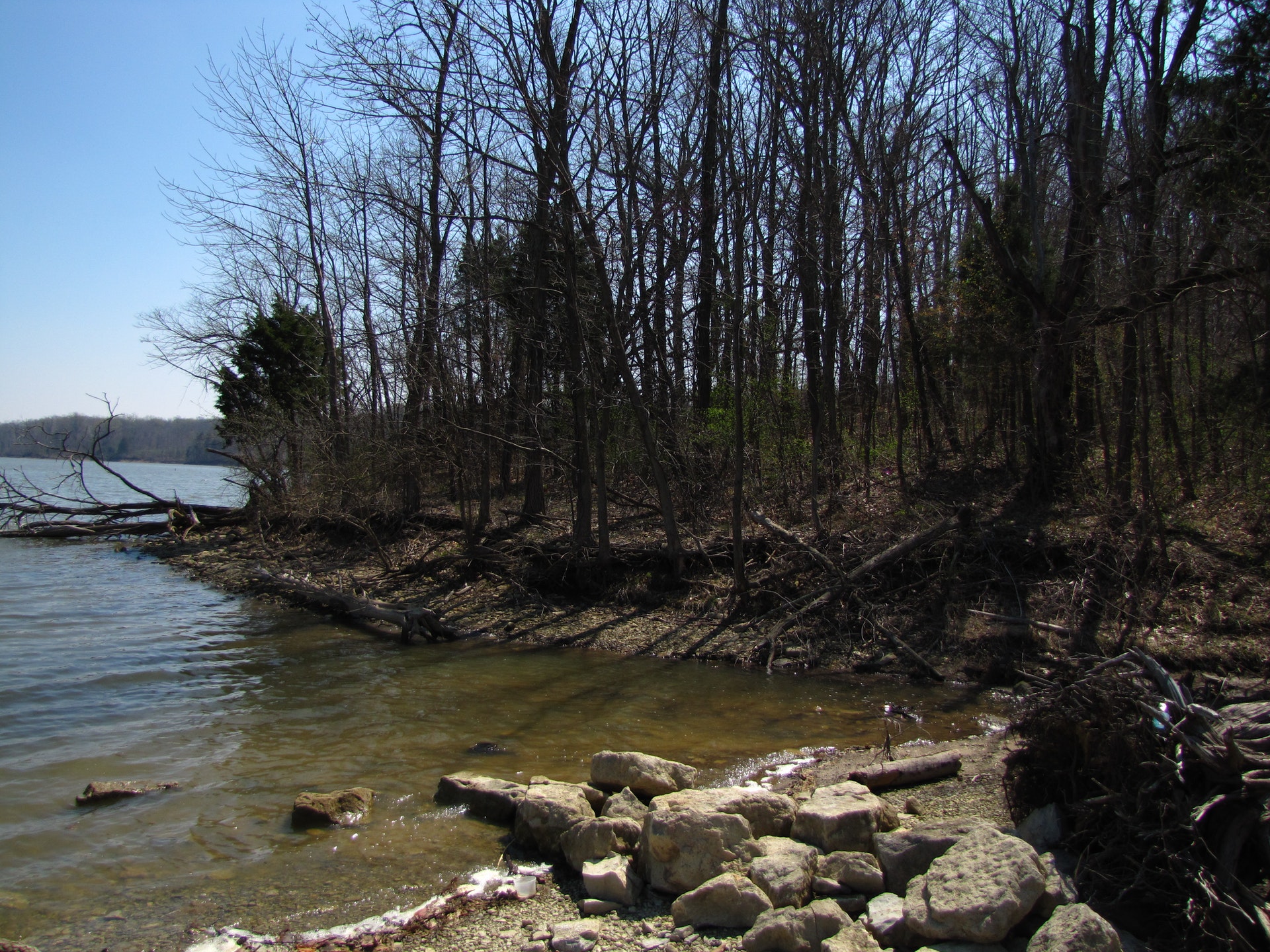
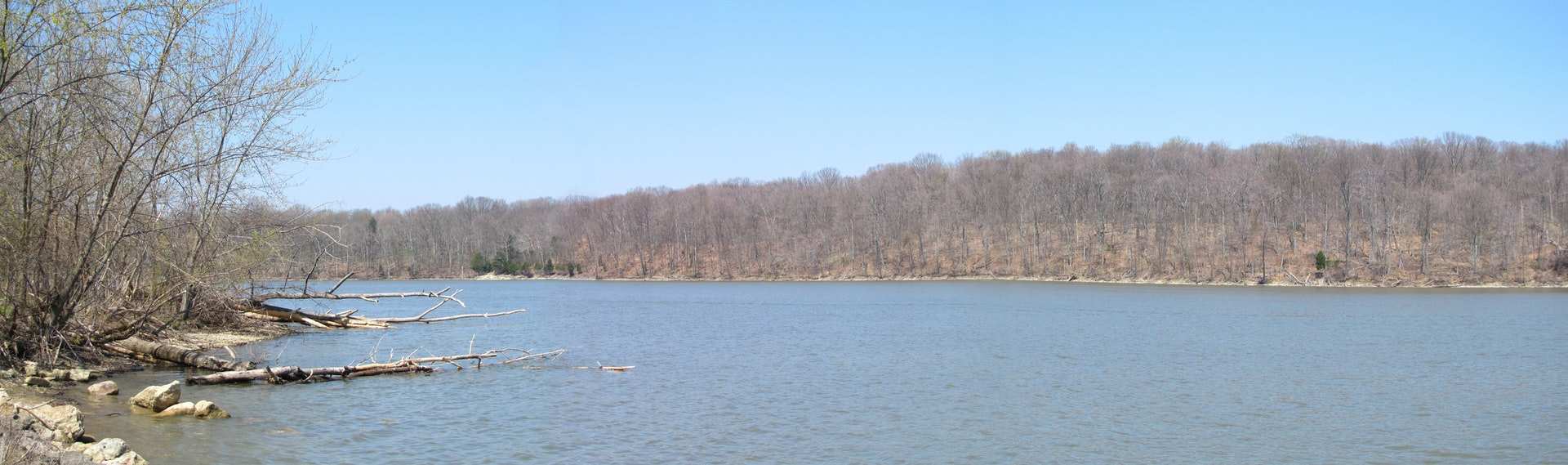
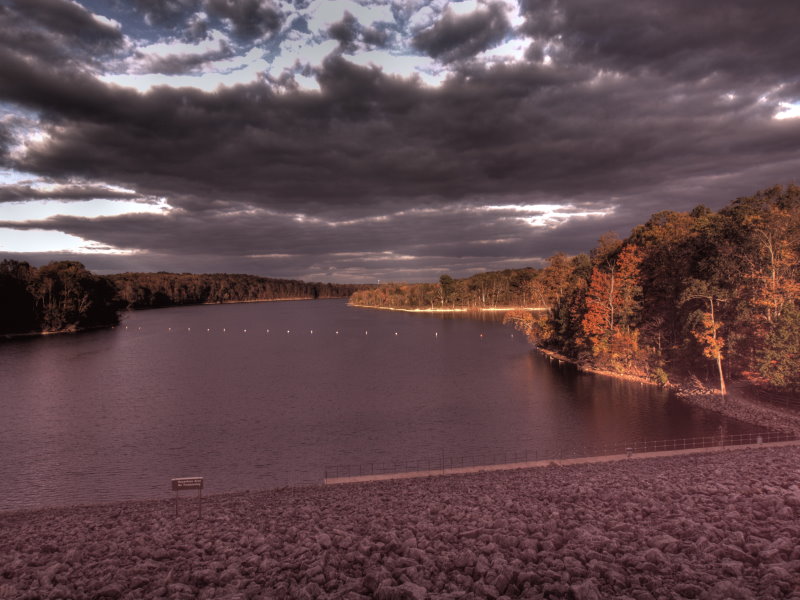
Caesar Creek State Park is highlighted by clear blue waters, scattered woodlands, meadows and steep ravines. The park offers some of the finest outdoor recreation in southwest Ohio including boating, hiking, camping and fishing.
The park area sits astride the crest of the Cincinnati Arch, a convex tilting of bedrock layers caused by an ancient upheaval. Younger rocks lie both east and west of this crest where some of the oldest rocks in Ohio are exposed. The sedimentary limestones and shales tell of a sea hundreds of millions of years in our past which once covered the state. The park's excellent fossil finds give testimony to the life of this long vanished body of water.
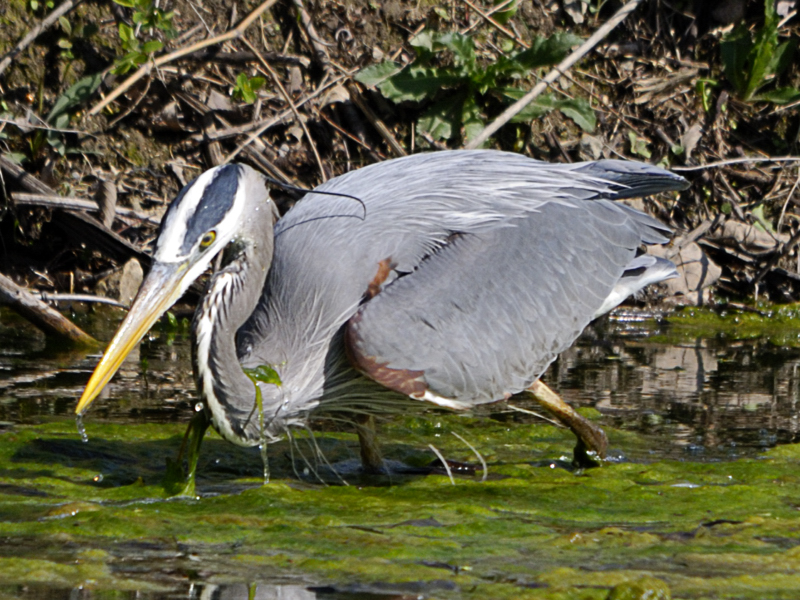
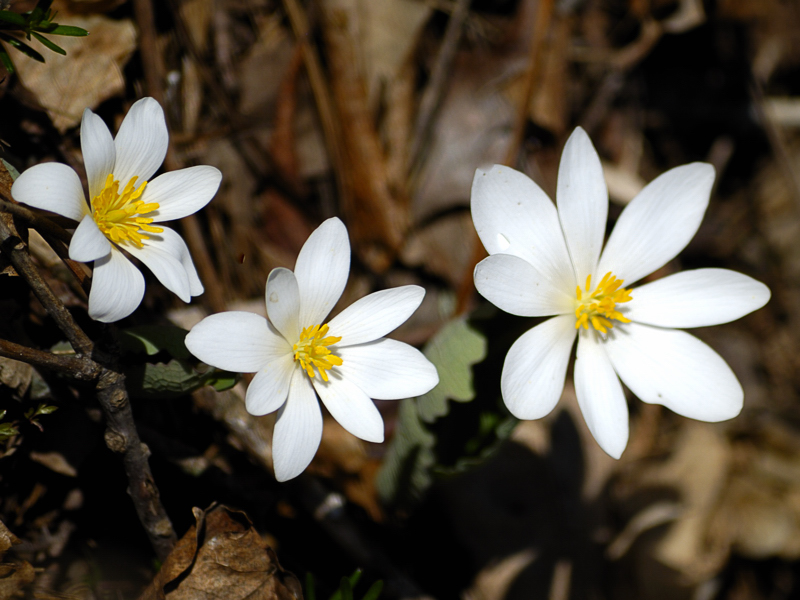
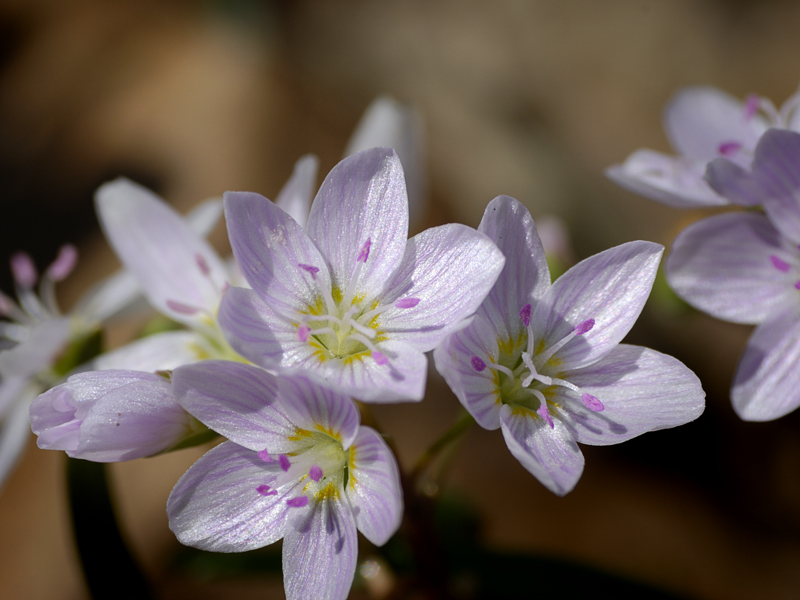
The forests of the area are comprised of over 65 species of plants. Several major communities thrive in the area. A northern flood plain forest is found in the valley, while mixed associations of oak-hickory and beech-maple woodlands clothe the ridges and hillsides. Red-tail hawk, white-tail deer, raccoon, red fox and box turtle make the park their home.
The wooded lands of the park were home to several early Ohio Indian cultures. While the Hopewells inhabited several sites in the state, their earthworks (known as Fort Ancient) on the nearby Little Miami River are among the largest and best known. This hilltop enclosure used for ceremonial gatherings is surrounded by three miles of earthen walls, constructed using animal shoulder-blade scoops and hides for transporting dirt. This Indian race lived in the region during a period from 300 B.C. to 600 A.D.
A later group, living on the site from 1200 A.D. to 1600 A.D., were known as the Fort Ancient Indians. These people lived in villages along several river systems in the region including Caesar Creek. Displays about the Hopewell mounds and the later cultures can be seen at the Army Corps of Engineers' Visitor Center.
Woodland Indian tribes such as the Wyandot, Miami and Shawnee also called southwestern Ohio home. Old Chillicothe where the famous warrior Tecumseh was said to have been born was located in Greene County, just north of the park. The Caesar Creek area was named for a black slave captured by the Shawnee on a raid along the Ohio River. The Shawnee adopted Caesar and gave him this valley as his hunting ground. Caesar lived in this area during the time Blue Jacket was war chief and was said to have gone on many raids with him.
Many of these Indian villages were located along an ancient Indian trail, part of which follows the ridgeline on the eastern side of the Caesar Creek valley. The trail was used by white settlers in the early 1800s, who named it Bullskin Trace. Later the trail became part of the Underground Railroad used by runaway slaves to reach safe houses run by area Quakers.
The Caesar Creek valley was impounded in 1978 by the Army Corps of Engineers to assist with flood control in the Little Miami River watershed. The 4,700-acre park and adjacent 2,500-acre wildlife area were dedicated that year.
- T Walker
Ohio does not have an annual pass and does not charge entrance fees to state parks.
GeneralLand, acres3,741
Water, acres2,830
Nearby Wildlife Area, acres2,959
Day-UseFishingyes
Huntingyes
Hiking Trail, miles43
Backpack Trail, miles14
Picnickingyes
Picnic Shelters, #3
Mountain Bike Trails, miles9
Swimming Beach, feet1,300
Bridle Trails, miles31
Nature Centeryes
Nature Programsyes
BoatingBoating LimitsUnlimited HP
Launch Ramps, #4
CampingElectric Sites, #283
Pets Permittedyes
Flush Toiletsyes
Dumpstationyes
Showersyes
Youth Group Camp, capacity75
Horsemen Campsites, #30
WinterCross-Country Skiingyes
Ice Skatingyes
Ice Fishingyes
The family campground has 287 shady and sunny sites equipped with electrical hook-ups. The campground offers showers, flush toilets, and pet camping in designated areas. A horseman's camp with 25 sites is available for overnight trail rides.
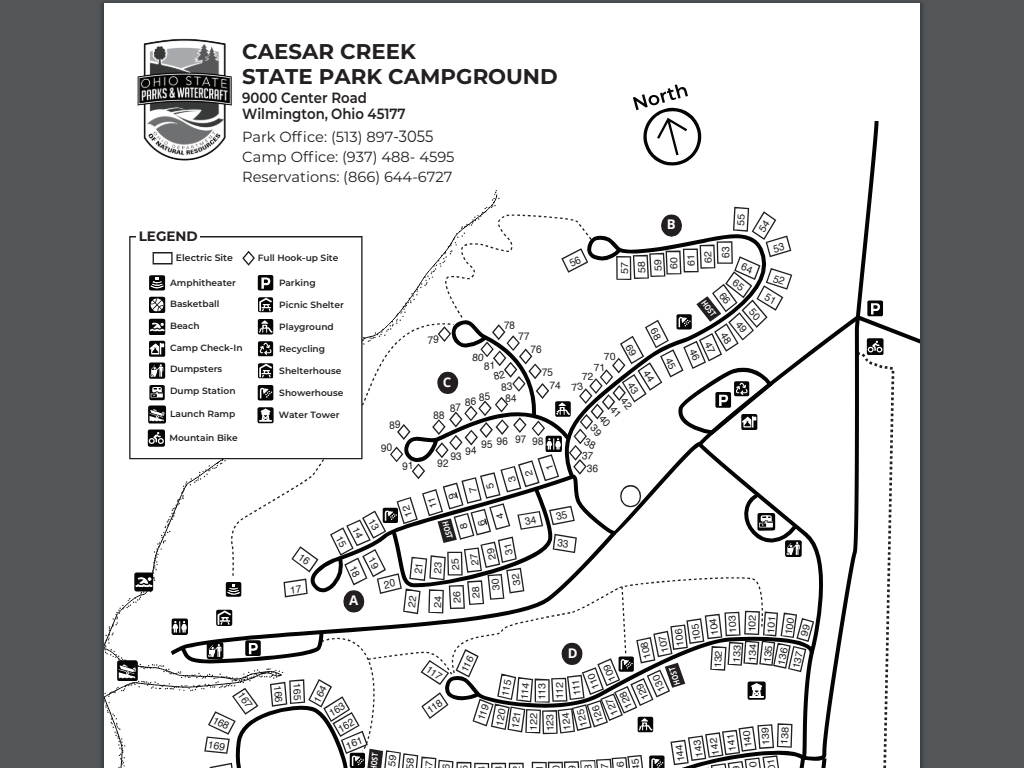 Caesar Creek Campground Map (pdf)
Search Vrbo - Booking.com - Expedia
Caesar Creek's clear waters and 1,300-foot beach offer excellent swimming opportunities. A beach concession area and changing booths are provided.
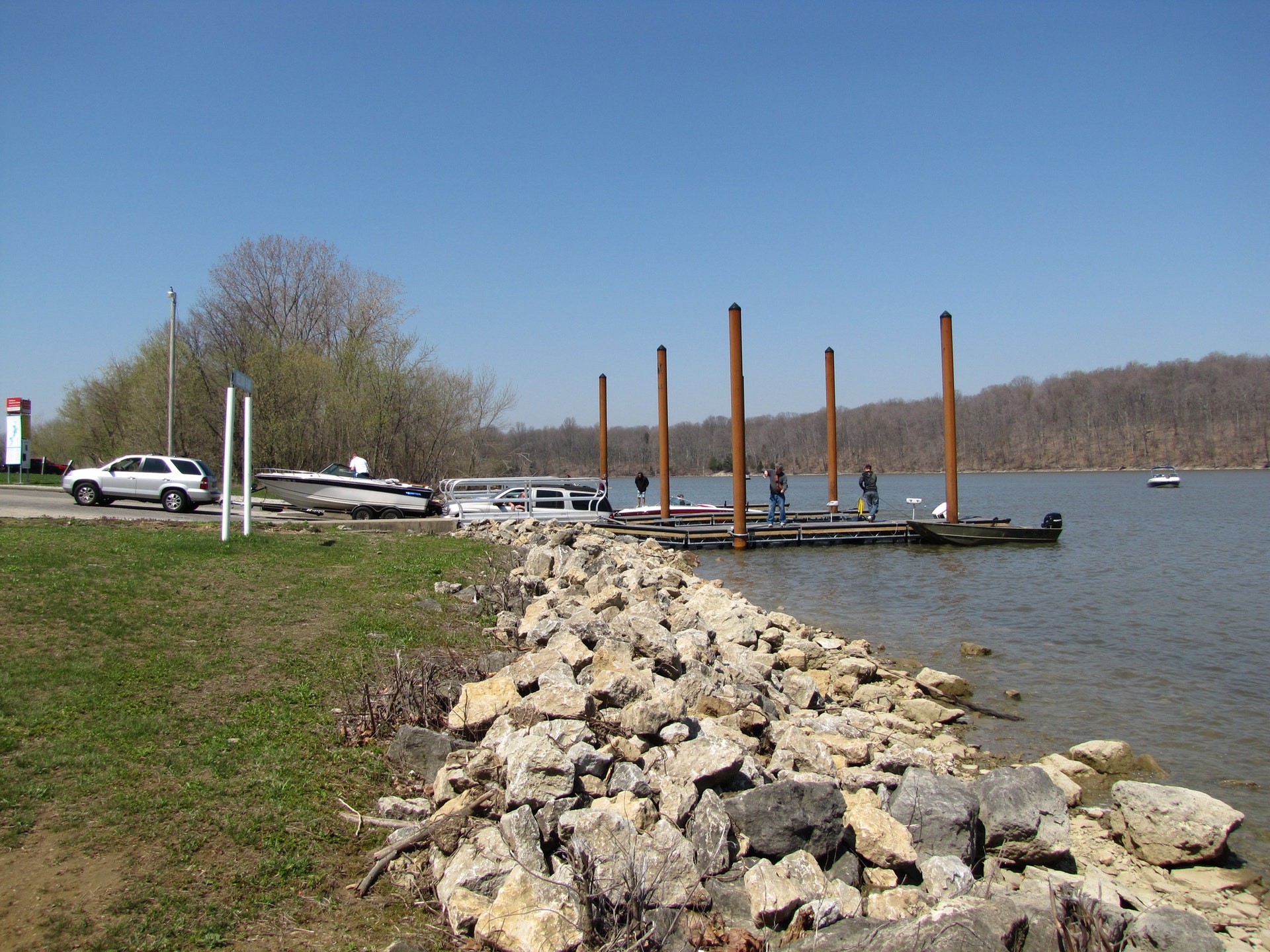
Water recreation on the 2,830-acre lake is the park's largest attraction. Unlimited horsepower designation allows for an exciting day of boating and water skiing. Five launch ramps are situated around the lake for easy access.
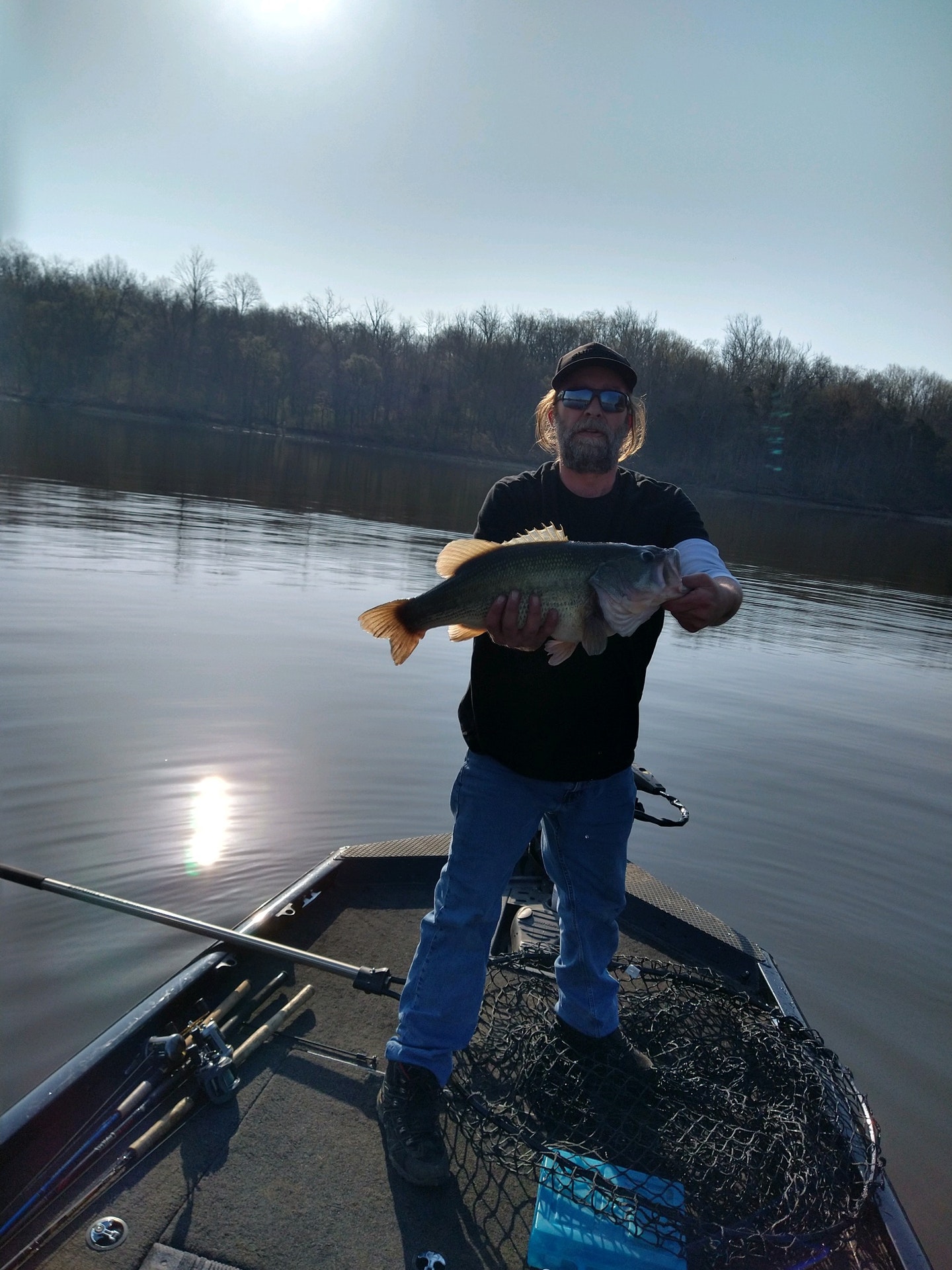
Caesar Creek State Park in Ohio offers a variety of fishing opportunities for both novice and experienced anglers. The park's 2,830-acre lake is home to several species of fish including largemouth bass, smallmouth bass, bluegill, crappie, white and spotted bass as well as saugeye.
The Caesar Creek Lake has been recognized by the Division of Wildlife as one of the top lakes for large-mouthed Bass fishing in Ohio. Anglers can also find good populations of flathead catfish here which are known to grow quite large due to ample food supply.
In addition to these species that inhabit deeper waters like walleye or muskellunge (muskie), there are plenty more types found closer towards shore such as channel cats or bullheads along with various panfish - sunnies/bluegills etc., making it an ideal spot not just those who prefer boat-based angling but also shoreline fishermen/women too!
Fishing at Caesar Creek requires a valid state license from Ohio Department Of Natural Resources Division Of Wildlife unless you're under age 16; licenses may be purchased online through their website if needed before your visit.
For fly-fishermen looking forward into trout season each spring when they stock certain sections within this area specifically designated "trout streams" where rainbow/brown varieties get released annually providing another unique opportunity available only during specific times throughout year depending upon conditions/weather patterns affecting water temperatures/levels accordingly so always check local regulations beforehand regarding any restrictions/rules pertaining directly toward particular methods/styles being utilized while out on water trying catch some big ones!
Boat ramps provide easy access onto lake itself whereas numerous docks/piers scattered around perimeter allow individuals without boats still able enjoy all benefits associated having direct contact over open body containing multitude different kinds aquatic life beneath surface waiting patiently bite whatever bait happens dangling enticingly above them down below...just remember though: practice safe/responsible practices at all times ensuring future generations can continue enjoy these same experiences long after we're gone.





 We have camped 25 times at ceasarcreek state park campgrounds
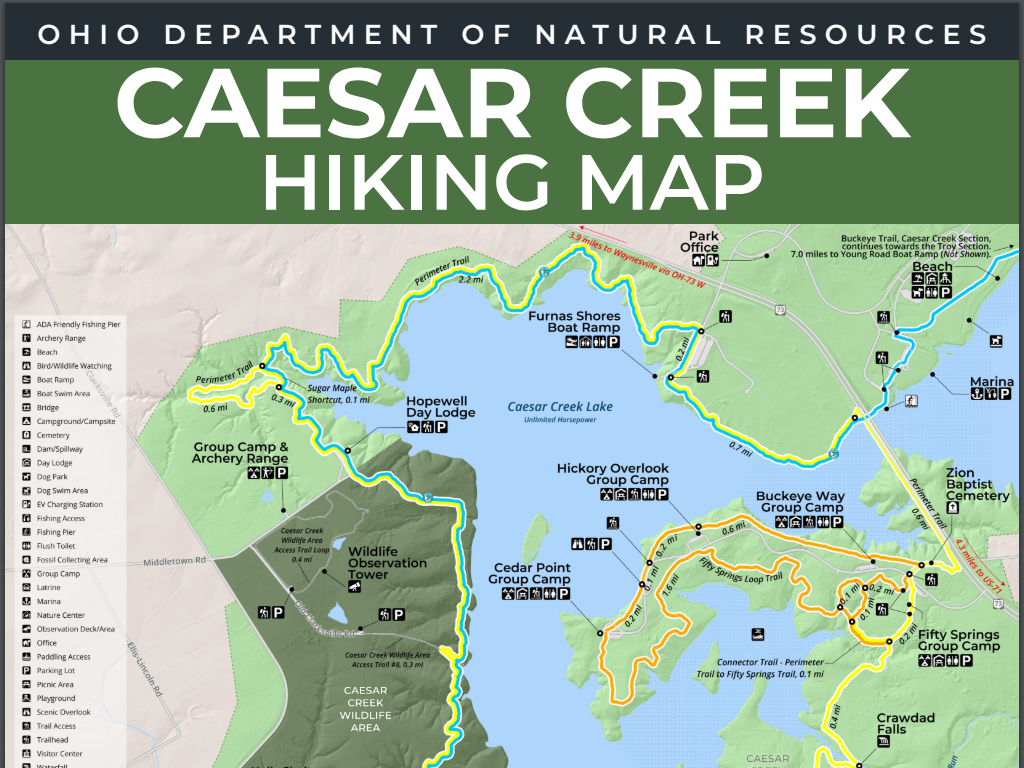
 My hiking group makes sure that we hike the 13 mile loop at least twice a year and it is always most interesting and challenging.




 Share Your Caesar Creek State Park Photos (click here)